It’s a chilly winter day, and as you’re moving through your home, you notice some rooms have significant drops in temperature and foggy windows. This might signal problems with your windows that can cause discomfort, energy waste and higher utility costs. Why not bring cozy back to your routine? Ditch the mountain of blankets and welcome warmth into your home with our solutions to six winter weather window concerns.
1. Problem: Condensation on Windows
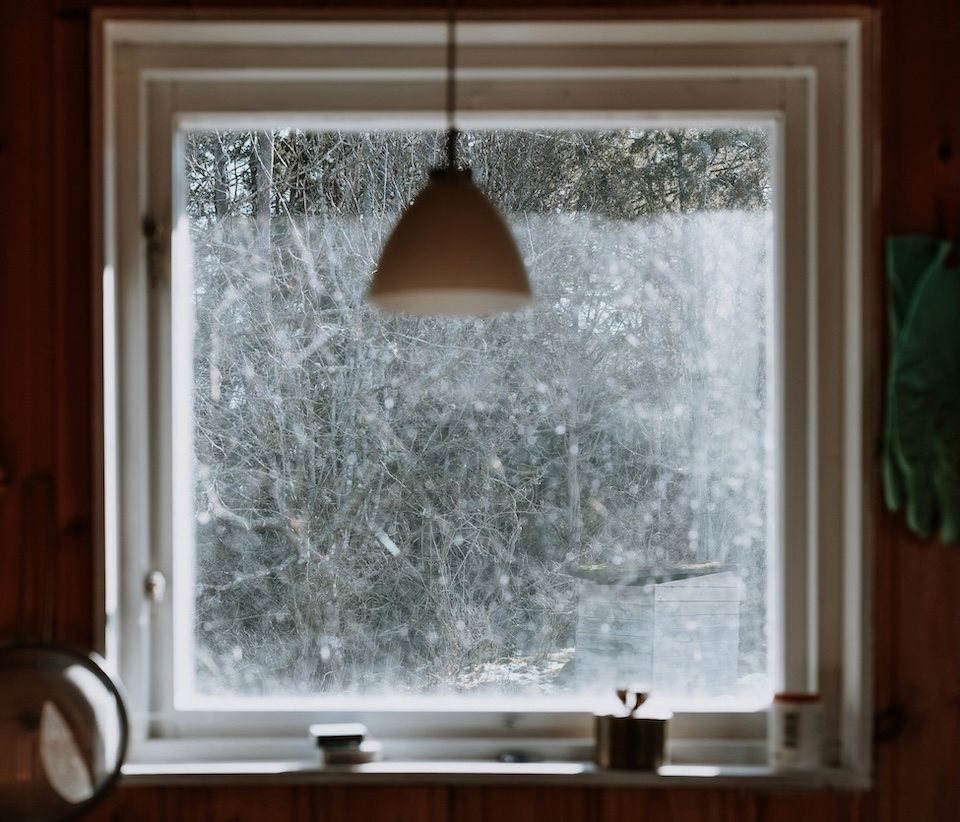
Occasional condensation on windows is normal, especially first thing in the morning. When your windows are constantly coated in condensation, however, it impacts more than your ability to enjoy Mother Nature’s winter wonderland outside. Ongoing condensation can damage older or wooden windows, spur mold or mildew growth, rot the frames and even weaken nearby walls.
The Fix: Upgrading to vinyl replacement windows neatly addresses all possible concerns with condensation. Newer window models are made with energy-efficient technology that prevents condensation, and vinyl won’t rot from condensation in the first place.
2. Problem: Heat Loss from Drafty Windows
Is part of your house noticeably chillier than other rooms in the winter months? It may be down to older windows that no longer perform properly. Whether it’s due to ineffective weatherstripping, broken air seals or simple air infiltration through single-pane windows, heat loss makes a huge difference in your home’s comfort in the dead of winter.
The Fix: There’s only so much you can do to address heat loss with older windows, particularly if multiple factors like single-pane glass and failing weatherstripping are at play. The best way to treat the issue is to face it head-on. Combat chilly rooms—and their accompanying higher energy bills—by upgrading to newer, better quality windows.
3. Problem: Cracked Glass
Cracked glass may seem like a problem that can wait until spring, but it can contribute to heat loss and make small problems much larger if left untreated. Cracked glass can spread if left alone due to temperature changes or vibrations. This can lead to shattering, which can cause security vulnerabilities for your home and potential danger from the fragments.
The Fix: Depending on the cause of the crack, your window’s warranty may cover replacement of the broken pane. That’s your best bet at getting the issue resolved quickly. You can attempt to repair the pane yourself, but we would not recommend this. It’s always best to leave careful work like that to professionals. If the window is not in warranty or the crack is significant, it may be best to replace the window entirely.
4. Problem: Foggy Double-Paned Windows
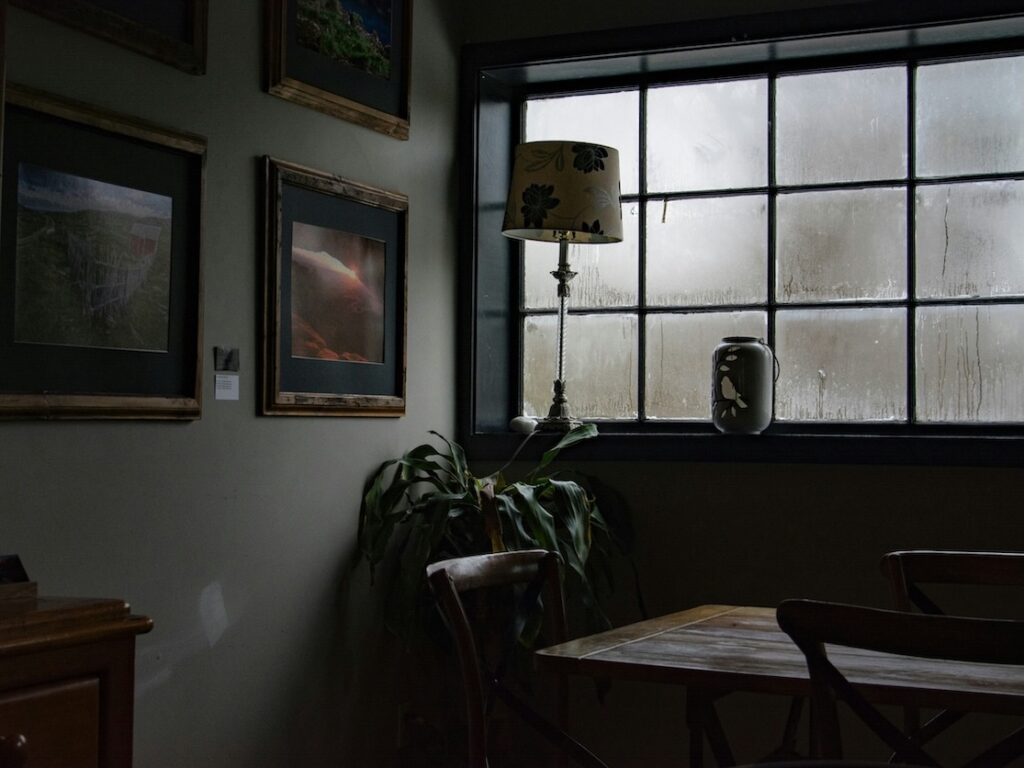
Fog between your double-paned windows indicates a pressing issue: the seal keeping argon gas between your panes has failed. This gas prevents heat loss and plays a significant role in the comfort (and energy efficiency) of your home. Fog means moisture has entered the space between the panes, further compromising your home by increasing your risk of drafts and leaks.
The Fix: Although you may see DIY fixes that promise to return your double-paned window to functionality, none of these are guaranteed to work. The only way to ensure the seal is secure is to replace the window with a new one. Fortunately, this replacement window should last for decades without compromise.
5. Problem: Stuck Windows
If the window has been hard to open or shut from day one, it’s down to improper installation practices. However, if the problem appeared overnight, it could be due to other factors. Drastic temperature changes, like an overnight plunge to below-freezing temperatures, can cause some windows to warp, which you’ll likely notice when the window frame won’t budge.
The Fix: Before anything else, simply clean the window. Debris and dust may be caught in the frame, and a good cleaning may improve movement. If this proves ineffective, try lubricating the frame. If this doesn’t work, it’s time to consider replacement window options.
6. Problem: Window Ice
Waking up to the first snowfall of the season is beautiful. Waking up to freezing-cold windows coated in ice is not. Luckily, as long as the ice is completely outside, this doesn’t indicate any problems with your windows. It’ll just require some old-fashioned elbow grease to get your windows back in working order. If the ice is inside your home, however, this indicates an excessive amount of moisture in the interior air.
The Fix: Your first-line treatment for ice on the outside of your window should be waiting for it to melt. Eventually, the sun will do its job. However, if you’d like to speed things along, plug in a hair dryer and blow hot air around the window frame and perimeter of the window for 10 minutes or less.
If the ice is inside, take out a dehumidifier to reduce humid air near your windows and place towels to catch any melting ice. Turn on any fans to circulate the air and turn your heat up to at least 65 degrees. It’s also worth checking to see if the window or windows in question are fully airtight. You may need to replace the window if there’s a significant air leak.
What to Look For in Cold-Weather Windows
Need to replace your windows? Here’s what you should prioritize for new windows that stand up to winter weather.
Key Features for Maximum Warmth and Efficiency
- Double-Pane or Triple-Pane Glass: More panes mean more efficiency, less heat loss and better insulation.
- Low-E Glass: This glass is coated with a transparent film that reflects heat back into your home during winter and out during summer for year-round comfort.
- Insulated Frames: Vinyl is a perfect framing material, since it doesn’t conduct cold.
Enjoy Worry-Free Winters With Window World
If it’s time to replace your windows, you need to work with someone you can trust. Window World’s local team is your best bet for installing affordable, high-quality windows made to last. Enjoy the benefits of long-term comfort and energy efficiency that keep your home cozy and warm each winter. Get in touch for your free in-home consultation today!