
In this blog:
Read our guide to choosing energy-efficient windows in Denver, CO. Find out how:
- Window ratings like U-factors, SHGCs and VTs can help you determine the insulation, heat gain and light transmittance that energy-efficient windows provide.
- Denver’s cooler climate and higher elevation are important factors to consider when choosing windows.
- Where your windows are located can influence the energy efficiency ratings you need. Some rooms may require higher or lower ratings.
Colorado summers can be hot, and the winters are bitterly cold. Your Denver home needs to be able to keep your family comfortable no matter the season, and your windows play a big role in that process. Quality, well-maintained windows can eliminate drafts, balance incoming light and heat and improve your home’s energy efficiency.
Modern, energy-efficient windows contribute to measurable improvements in your home’s utility costs over time. So, if you’re thinking of upgrading to newer models, you’ll likely have a lot of energy-efficiency perks to explore. This guide explains how to compare different window ratings and how Colorado’s unique climate can affect your choices.
What Are Energy-Efficient Windows?
Energy-efficient windows are designed with various features that make it easier to maintain balanced indoor air quality and temperatures. These features help your heating and cooling systems not have to work as hard or as long to keep things comfortable. The reduced consumption can lead to energy savings in the long term.
Every home’s energy use is different, so when searching for energy-efficient windows, the idea is to choose options that offer the best solutions for your home, specifically. That means looking closer at your own space’s needs, but also weighing Colorado’s unique climate as a contributing factor.
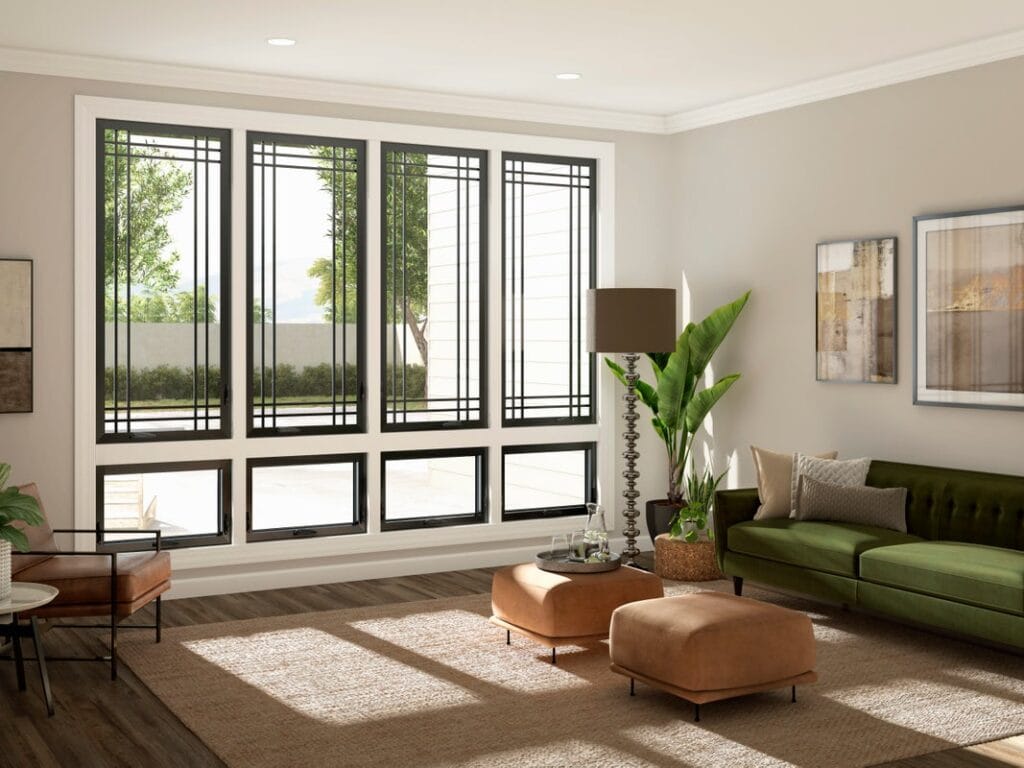
Why Denver’s Climate Matters When Choosing Windows
The International Energy Conservation Code (IECC) climate zone map places the Denver area mostly within Climate Zone 5B, which has a cool-cold, dry designation. General features of the climate include:
- Low humidity
- Strong day-to-night temperature changes
- Strong sunlight exposure due to the higher elevation
Because of these conditions, you’ll likely want windows that provide good insulation while balancing solar heat and light intrusion. The better the balance, the more comfortable your home will be and the less overtime your HVAC system has to work.
Still, Colorado’s climate alone is not the deciding factor when choosing new windows. Your windows have to be the right fit for your home, and the right fit can even differ from room to room. A shaded north-facing window will receive light and heat differently than a west-facing window that receives full sun. Therefore, to optimize comfort and energy use throughout your home, you may need different windows for different spaces. Various window energy ratings will help guide your choice.
Window Energy Ratings Explained
Window labels frequently feature independently certified ratings determined by the National Fenestration Rating Council (NFRC). The ratings are designed to help homeowners get a clearer picture of how one window’s energy performance compares to another. We’ve broken some of the common ratings you may find on NFRC labels below:
| Rating1 | What it tells you | What it looks like | What to look for |
| U-factor | How readily heat passes through the window | Scale of 0.20 to 1.20 | Lower values indicate better insulation. |
| Solar heat gain coefficient (SHGC) | How much heat from the sun enters through the window | Scale of 0 to 1 | Lower ratings block more solar heat. Higher ratings allow in more heat. |
| Visible transmittance (VT) | How much visible light passes through | Scale of 0 to 1 | Higher values mean more daylight enters your home. |
| Air leakage (AL) | How much air passes through the product under test conditions | Scale of 0.1 to 0.3 | Lower values indicate less air escapes through your windows. |
| Condensation resistance | How well the product resists condensation | Scale of 1 to 100 | Higher values indicate greater moisture resistance. |
1 Some of these ratings may not appear on every label.
You may also encounter both the terms “energy-efficient” and “ENERGY STAR-certified” when comparing products. “Energy-efficient” is a broad term for window performance. “ENERGY STAR-certified” is a direct reference to the ENERGY STARⓇ program, which is run by the U.S. Department of Energy and the U.S. EPA to help consumers identify energy-efficient home products.
To qualify for ENERGY STAR certification, products must meet certain minimum performance standards. Those standards can vary depending on what region of the country you live in. You’ll often see ENERGY STAR labels displayed on or near NFRC labels.
As you search for the right windows for your Colorado home, don’t simply choose a window with the lowest or highest number for each given rating. Doing so might cause you to throw off the balance of air or light entering your home, creating more inconvenience.
Understanding U-Factors for Windows
U-factors measure how easily heat passes through a window. Lower numbers demonstrate better insulation and less heat intrusion. In a cooler-weather climate like Colorado’s, you’ll want to weigh U-factors carefully. A lower number means less natural heat passes through the window assembly.
Understanding Solar Heat Gain Coefficients (SHGCs)
Like U-factors, SHGCs help you understand how much heat from the sun a window admits. A lower number means less solar heat enters. For rooms that receive a lot of light, a lower SHGC may help prevent overheating. In darker, colder spaces, a higher number may be more appropriate.
Understanding Visible Transmittance (VT)
Visible transmittance is a direct measure of how much light enters your home, and this can directly correlate to how much heat enters. If a window lets in less visible light, it may not provide appropriate natural lighting for darker or shaded spaces.
Understanding Air Leakage (AL)
Air leakage ratings measure how much air escapes through certain windows. Virtually all windows lose air naturally, but those constructed for energy efficiency typically lose less. As a result, your HVAC systems won’t have to cycle on and off constantly to replace the lost air.
Understanding Condensation Resistance (CR)
Windows with higher condensation resistances have a lesser chance of developing moisture on, around or between glass panes. In the Denver area, this often occurs in winter, when warmer, moist indoor air makes contact with cold window panes. You don’t want this to become a recurring issue, as moisture in the window can cause further damage.
What ENERGY STAR Window Ratings Apply for Denver?
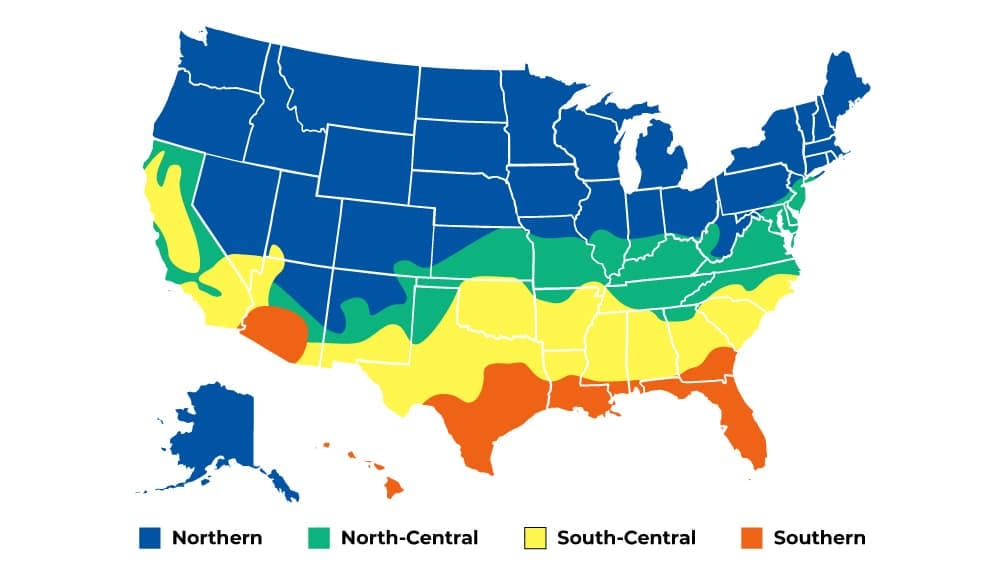
Once you have an understanding of a window’s NFRC ratings, you can then turn to ENERGY STAR for additional guidance in making your choice. The ENERGY STAR program divides the U.S. into four climate zones and provides recommended window ratings for each.
Denver and most of Colorado sit within ENERGY STAR’s Northern Climate Zone. For a window to qualify as certified within the Northern zone, it must have the following U-factor/SHGC combinations:
ENERGY STAR Northern Climate Zone Window Qualifications
| U-factor | SHGC |
| ≤ 0.22 | ≥ 0.17 |
| 0.23 | ≥ 0.35 |
| 0.24 | ≥ 0.35 |
| 0.25 | ≥ 0.40 |
| 0.26 | ≥ 0.40 |
ENERGY STAR also notes that its “Most Efficient” window criteria for the Northern Zone are U-factors of ≤ 0.20 and SHGCs of ≥ 0.20. However, keep in mind that these may not be the specific ratings that are best for every window in your exact home.
What Features Make a Window Energy Efficient?
Windows can contain a lot of different design features that contribute to their overall energy efficiency. Yours may include:
Multi-pane designs
Windows with double- or triple-glass panes provide better insulation against radiant heat, allowing less to enter your home without limiting your views or dimming incoming natural light.
Low-E glass
Low-E (low emissivity) windows contain microscopic coatings on the glass that help block UV and infrared (IR) light attempting to enter your home. The coating deflects the “bad” light and heat that force your HVAC system into overdrive, but it allows plenty of “good” light to stream through.
Argon Gas
A thin layer of argon or another inert gas between the window panes helps reduce heat transfer through the glass. Your interiors will remain comfortable while the air outside will have a harder time infiltrating.
Warm-Edge Spacers
Comfortable air tends to escape from around the edges of window panes and other components. Warm-edge spacers help reduce air loss by creating a tighter seal.
Multi-Chamber Framing
Many window frames are built with intricate interiors that make it harder for heat to escape. They also trap and repel unwanted weather and pests, keeping your interiors comfortable, clean and dry.
What Are the Best Energy-Efficient Windows for a Denver Home?
There is no single answer for what makes a window the most efficient for Denver. Choosing windows that align with ENERGY STAR’s minimum Northern Climate Zone requirements is a good start, but you’ll want to get more specific and consider the needs of your exact home.
A few things to ask yourself include:
- Which rooms receive a lot of light? Which are the most shaded? This can help you get a feel for how much solar heat and natural light are entering your home, and how to balance it.
- Do I experience drafts or cold spots in certain areas? Sudden interior temperature changes can help you pinpoint where air leakage may be a big issue that your new windows need to address.
- Is there moisture around my windows? If so, you’ll know that you want the home to have strong condensation resistance.
Also, keep in mind that your window materials can impact the product’s efficiency. Double-pane glass may do a better job of insulating compared to more outdated single-pane glass. Certain frame materials, such as vinyl, may also provide better insulation.
Ultimately, the best way to determine which energy-efficient windows are right for your home is to work with professional home upgrade experts as you make your choices. Experienced window providers understand the ins and outs of window ratings, and they can help you compare each option’s performance characteristics to decide the right fit.
Don’t Forget: Installation Matters for Energy-Efficient Windows
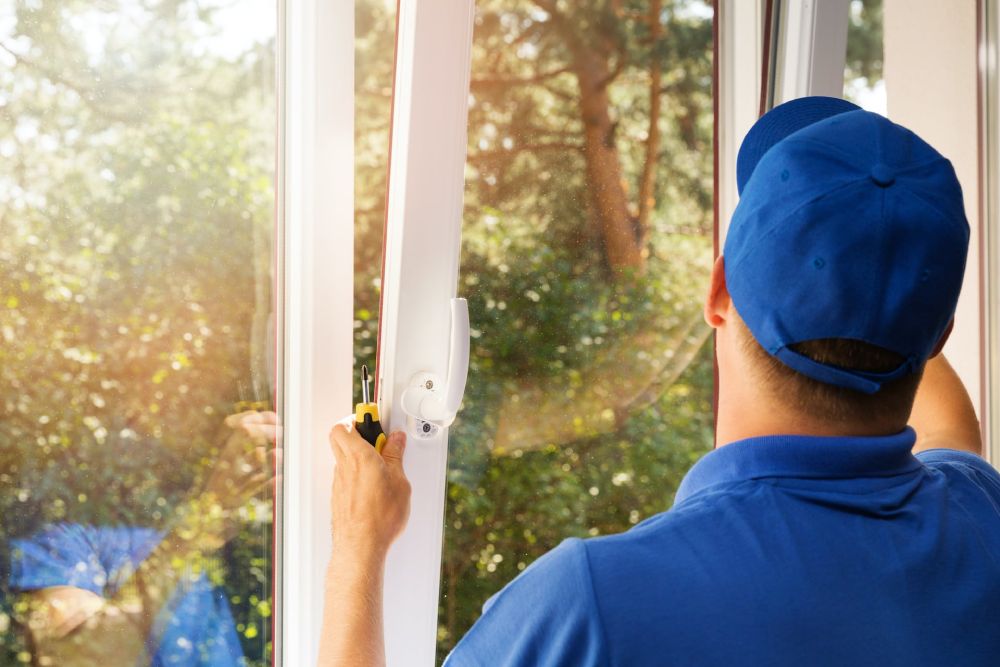
Window ratings describe a window’s performance under standardized conditions, and if those conditions don’t exist, you can’t achieve the efficiency you’re looking for. That’s why professional installation matters on any window upgrade. Trying to replace your window on your own runs risks such as accidentally fitting the wrong size, inadvertently damaging your home’s structure or damaging the window and its energy-efficient components. A professional installation team can make sure this is all done correctly.
When you work with Window World of Denver, all the hard work is handled. During your initial consultation, we measure your space and help you compare which window designs are most likely to deliver the best comfort and efficiency in each area. On installation day, each window is properly balanced, positioned and sealed to ensure a tight, lasting fit. Then, you can enjoy the better views and better comfort you deserve.
Explore Energy-Efficient Windows With Window World of Denver
Picking energy-efficient windows for your Colorado home means weighing the different window ratings and unique features that will help them provide the most reliable protection. Window World of Denver’s team works with clients every day who are looking for their perfect fits, and we’re ready to help you, too. Why wait to make your home more comfortable and work on bringing your energy bills down?
Request your free in-home estimate to get started.
Frequently Asked Questions About Energy-Efficient Windows
Are energy-efficient windows worth it?
If your existing windows cause drafts, cold spots, moisture intrusion or other issues, upgrading to new, more energy-efficient windows can certainly be worthwhile. Newer windows can create better-sealed spaces, manage the amount of light and heat intrusion, and reduce strain on your heating and cooling systems. Therefore, your home’s energy waste may diminish, and your utility costs may drop.
What is a good U-factor for windows in Denver?
Windows with lower U-factors often provide better insulation, which may make them more appropriate in Denver’s cooler climate. Approved U-factors for ENERGY STAR’s Northern zone range from ≤ 0.22 to 0.26, but they must be paired with appropriate SHGCs.
How much do energy-efficient windows save?
There’s no one specific savings figure that energy-efficient windows can provide. ENERGY STAR reports that upgrading to certified energy-efficient windows lowers household energy bills by an average of up to 13% nationwide. However, multiple factors influence your home’s energy use besides your windows, so your exact savings may differ.